How to apply The Lean Startup
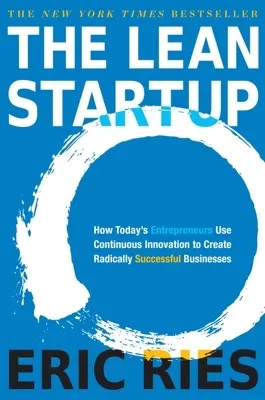
by Eric Ries · 2011
MindSpiritThe way Ries tells it, many ventures fail by building what nobody wants, and learning fast from real customers is the remedy. His ideas, held up to your own project.
What feels off this week about the project you care about most?
From the book · 6 ideas
Ries has a name for it.
Short summary
The Lean Startup in brief
Ries argues that a startup is any team creating something new under extreme uncertainty, whether in a garage or inside a large company, and that it needs management built for that. Its real job is not to carry out a fixed plan but to learn what customers want, which he calls validated learning. The heart of the book is a loop of building the smallest thing that can test an assumption, measuring how people actually respond and deciding whether to change course or keep going. Later chapters carry the same thinking into small batches, growth and keeping a team adaptive. The upshot is that a plan stays a guess until someone’s behavior confirms it.
Ries builds the method from his own startups and the companies he advised. Business scholars have since argued that it fits less well where testing is costly, as in biotech.
Six ideas, in Ries’s order
Each idea is named and stated, not worked through. Under each is a question about your own day that no page can answer.
Validated learning
At IMVU, Ries wrote the code that plugged its avatars into existing instant-messaging programs, and customers turned out not to want it, which made all that work waste. His lesson is validated learning: progress is what real customer behavior proves, not what got built.
Only your day can answer
What has someone actually done with your work this week, as opposed to what they said about it?
Minimum viable product
While Dropbox was still being built, Drew Houston posted a three-minute video of how it was meant to work, and he has said its beta waiting list jumped from 5,000 to 75,000 overnight. For Ries, that video was the minimum viable product.
Only your day can answer
Which part of your current project are you polishing before anyone outside your head has tried it?
Vanity metrics
Ries warns against vanity metrics, such as total hits to a website, which feel good but point to no next step. Actionable metrics, such as split tests or comparing customers who signed up at different times, tie a result to a change.
Only your day can answer
Which number you checked this week went up without telling you what to do next?
Pivot or persevere
For Ries, the key decision is whether to persevere or pivot, changing one part of the strategy while keeping what has been learned. The trap he warns about is the living dead: effort kept alive by hope that the next feature will catch on.
Only your day can answer
Which project of yours has been almost working for months, and what did you add to it this week?
Small batches
Borrowing from lean manufacturing, Ries argues that working in small batches speeds up the whole loop of building, measuring and learning, so a team finds out sooner when it is on the wrong track.
Only your day can answer
What finished piece of your work is sitting unseen right now, waiting for the rest to be done?
Five Whys
Ries borrows the Five Whys from Taiichi Ohno of Toyota: asking why a problem happened, five times over, until a technical fault reveals a human cause. Each level then gets a fix in proportion to the harm done.
Only your day can answer
What broke this week that you’d already fixed once, and what sits five whys beneath it?
The part no summary can do
Ries can show how Dropbox tested its idea with a short video before the product was finished. Which of your own plans has yet to meet a real person is easy to miss from inside the plan.
In Actium, The Lean Startup becomes one chapter a day, in the order Ries wrote it, and each chapter becomes 2–3 small tasks written from your goals and your answers to up to five short questions. Two readers get different tasks, which is why yours aren’t on this page: they don’t exist yet.
Day 1 · when you start
Two quick tasks, starting with a short note
Day 2
Opens tomorrow morning.
Miss a day and your chapter simply waits.

Free to download · 15 days of everything, no card
Some features require a subscription · iPhone only
Read next
More books picked for “Have a successful career”, and books that train the same stats.
- Think and Grow RichNapoleon HillHow long did you keep at it after this week’s first no?
- The 7 Habits of Highly Effective PeopleStephen R. CoveyWhat got bumped today by something that only felt urgent?
- So Good They Can’t Ignore YouCal NewportWhat did someone come to you for this week, and why you?
- Deep WorkCal NewportWhen was your last full hour without a glance at messages?
Get Actium
Start The Lean Startup in Actium
Pick The Lean Startup in the app and answer up to five short questions about it and your life. Actium builds your first chapter while you watch, starting with a short note, and every task you finish adds points to Body, Mind, Soul or Spirit.
Free to download · 15 days of everything, no card
Some features require a subscription · iPhone only