How to apply The Five Love Languages

by Gary Chapman · 1992
MindSoulChapman’s explanation for sincere love that goes unfelt is simple: partners speak different love languages. Six ideas, and the kindness of yours that never seemed to land.
When someone close last felt far away, what was behind it?
From the book · 6 ideas
Chapman has a name for it.
Short summary
The Five Love Languages in brief
Chapman argues that people give and receive love in five main ways, which he calls love languages: words of affirmation, quality time, receiving gifts, acts of service and physical touch. Each of us has a primary language and tends to speak it, he says, yet spouses seldom share one, so sincere effort can go unfelt. Drawing on couples he counseled, he explains why the in-love high fades after about two years on average, how to find your own language and your partner’s, and why speaking one that doesn’t come naturally is a choice. His case comes down to learning what makes the person closest to you feel loved, and showing love that way on purpose.
Chapman drew the model from counseling, not studies. A 2024 review by Impett, Park and Muise found weak evidence that each person has one preferred language, or that speaking a partner’s makes couples happier.
Six ideas, in Chapman’s order
Each idea is named and stated, not worked through. Under each is a question about your own day that no page can answer.
Different love languages
Chapman, trained in anthropology, treats love like speech: partners rarely share a native love language, so sincere effort can go unheard. A thrice-divorced man he met on a flight kept praising his third wife; Chapman suspects she was looking for love in his actions.
Only your day can answer
What did you do for someone close this week that they never seemed to notice?
The love tank
Chapman borrows psychiatrist Ross Campbell’s image of an emotional love tank. An empty tank, Campbell said, drives much of children’s misbehavior; Chapman sees the same in marriages, where withdrawal, harsh words and a critical spirit can signal a tank on empty.
Only your day can answer
Who around you turned sharp or quiet this week, and what had they gone without?
Quality time
Chapman’s second love language, quality time, means giving someone your undivided attention, through meaningful conversation or activities done together. For a person who speaks it, what counts is not the hours spent side by side but the attention inside them.
Only your day can answer
In your last talk at home, how long before one of you glanced at a screen?
Acts of service
Chapman’s fourth language is acts of service: doing helpful things that ease the other person’s burdens. For people who speak it, he argues, actions speak louder than words, so a chore done for them can mean more than any compliment.
Only your day can answer
What did someone you live with sigh about having to do this week?
Your primary love language
Chapman offers three clues to a primary love language: how you most often show love to others, what you complain about most, and what you ask for most. He treats complaints as especially revealing, since they show where love feels missing.
Only your day can answer
What have you asked the person closest to you for more than once this month?
Love is a choice
Chapman argues that lasting love is a choice, not a feeling. You can ask someone to speak your love language but cannot demand it, and when love goes unanswered he suggests keeping at it for six months or more rather than giving up.
Only your day can answer
When you last held back kindness from someone close, what were you waiting for them to do first?
The part no summary can do
Chapman can name five love languages and the clues that point to each. Which one the person closest to you is listening for, and what it costs you to speak it, shows up in small moments he’ll never see.
In Actium, The Five Love Languages becomes one chapter a day, in the order Chapman wrote it, and each chapter becomes 2–3 small tasks written from your goals and your answers to up to five short questions. Two readers get different tasks, which is why yours aren’t on this page: they don’t exist yet.
Day 1 · when you start
Two quick tasks, starting with a short note
Day 2
Opens tomorrow morning.
Miss a day and your chapter simply waits.

Free to download · 15 days of everything, no card
Some features require a subscription · iPhone only
Read next
More books picked for “Develop healthy relationships”, and books that train the same stats.
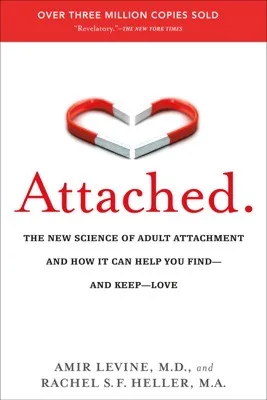
- AttachedAmir Levine and Rachel S. F. HellerWhat did you do the last time a reply came late?
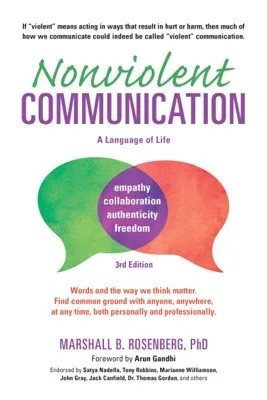
- Nonviolent CommunicationMarshall B. RosenbergWhat did you want from the last person you judged?
- Hold Me TightSue JohnsonWho pushed and who went quiet in your last argument?
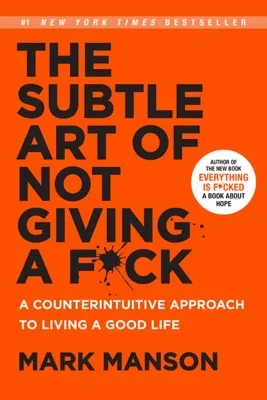
- The Subtle Art of Not Giving a F*ckMark MansonWhat took your attention yesterday that deserved none?

Get Actium
Start The Five Love Languages in Actium
Pick The Five Love Languages in the app and answer up to five short questions about it and your life. Actium builds your first chapter while you watch, starting with a short note, and every task you finish adds points to Body, Mind, Soul or Spirit.
Free to download · 15 days of everything, no card
Some features require a subscription · iPhone only