Lessons from The Alchemist, put into practice
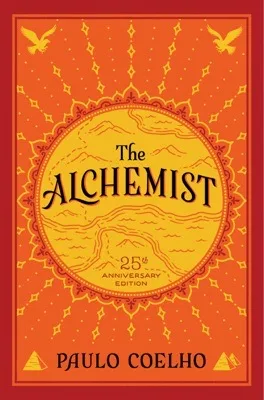
by Paulo Coelho · 1988
SoulSpiritA shepherd sells his flock to follow a dream of treasure. Here is Coelho’s fable up to its last act, six lessons from the road and the questions they leave you with.
What keeps the thing you’ve meant to do for years on hold?
From the book · 6 lessons
Coelho has a name for it.
Short summary
The Alchemist in brief, without the ending
Santiago, a young shepherd in Andalusia who left the seminary to travel, keeps dreaming of treasure hidden near the Egyptian pyramids. An old man who calls himself the king of Salem tells him that everyone has a Personal Legend, the thing they have always wanted to do, and that omens will show him the way. Santiago sells his flock and crosses to Tangier, where he is robbed on his first day. He works for almost a year for a crystal merchant, crosses the Sahara with a caravan, falls in love at an oasis and finds a teacher in an alchemist. Coelho tells it as a fable about the comfort and fear that keep most of us from starting.
A fable, not a finding. It works as a question to put to yourself, not as evidence that the world arranges itself around a dream.
Six lessons, in story order
Each lesson is named and stated, not worked through. Under each is a question about your own day that no page can answer.
The dream that comes back
Santiago has the same dream twice: a child leads him to treasure at the Egyptian pyramids. Instead of shrugging it off, he asks an old woman in Tarifa who interprets dreams, and the story starts there.
Only your day can answer
What did you catch yourself wanting again today that you haven’t said out loud?
The Personal Legend
An old man who says he is the king of Salem tells Santiago that everyone has a Personal Legend, the thing they have always wanted to do, and that the world’s greatest lie is the belief that we cannot steer our own fate.
Only your day can answer
What reason did you give yourself today for why your big plan has to wait?
Robbed on the first day
On his first day in Tangier, Santiago trusts a stranger who offers to guide him to the pyramids, and the man vanishes with his money. In Coelho’s telling, Santiago asks his two stones whether he will find the treasure and reads their answer as yes.
Only your day can answer
Which setback this week are you still telling as a story about being robbed?
The crystal merchant’s dream
Broke, Santiago goes to work for a crystal merchant who has dreamed all his life of the pilgrimage to Mecca and has decided never to make it, because the dream is what keeps him going.
Only your day can answer
Which plan of yours have you kept safe by never starting it?
Reading omens
On the caravan across the desert, an Englishman keeps his head in his books on alchemy, while Santiago learns more from a camel driver and the desert around him. Coelho’s point is that the world keeps sending signs, and noticing them is a skill.
Only your day can answer
On your usual route today, what caught your eye for the first time?
The comfort of the oasis
Tempted to stay at the oasis with Fatima, Santiago hears the alchemist warn that if he settles there, he will slowly lose his gift for reading omens and grow resentful. Coelho treats comfort as no less a trap than fear.
Only your day can answer
What comfortable thing did you choose today over the thing you keep meaning to start?
We stop before the last act. The ending is the book’s to tell.
The part no summary can do
Coelho can show you why Santiago set out. He can’t tell you what your own someday is, or what its first small step feels like on an ordinary Tuesday. That part starts in your day.
In Actium, The Alchemist becomes one chapter a day, in the order Coelho tells it, and each chapter becomes 2–3 small tasks written from your goals and your answers to up to five short questions. Two readers get different tasks, which is why yours aren’t on this page: they don’t exist yet.
Day 1 · when you start
Two quick tasks, starting with a short note
Day 2
Opens tomorrow morning.
Miss a day and your chapter simply waits.

Free to download · 15 days of everything, no card
Some features require a subscription · iPhone only
Read next
More books picked for “Overall grow as a person”, and books that train the same stats.
- Man’s Search for MeaningViktor E. FranklWhat did today ask of you that no one else could give?
- The 7 Habits of Highly Effective PeopleStephen R. CoveyWhat got bumped today by something that only felt urgent?
- MeditationsMarcus AureliusWhat happened today before you decided it was bad?
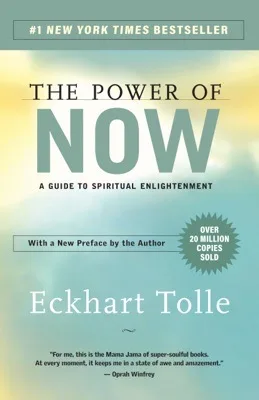
- The Power of NowEckhart TolleWhich small thing today got a reaction older than itself?
Get Actium
Start The Alchemist in Actium
Pick The Alchemist in the app and answer up to five short questions about it and your life. Actium builds your first chapter while you watch, starting with a short note, and every task you finish adds points to Body, Mind, Soul or Spirit.
Free to download · 15 days of everything, no card
Some features require a subscription · iPhone only