How to apply Man’s Search for Meaning

by Viktor E. Frankl · 1946
SoulSpiritFrankl held that people are driven above all by meaning, an idea he carried through nearly three years in Nazi camps. Six of his ideas, turned toward what your week asks of you.
What sat behind your lowest hour of the past week?
From the book · 6 ideas
Frankl has a name for it.
Short summary
Man’s Search for Meaning in brief
Frankl, a Viennese psychiatrist, was deported in 1942 and spent nearly three years in four Nazi camps, Auschwitz among them, losing his parents, his brother and his wife. Part One tells camp life from the inside, from the shock of arrival through apathy to the numbness of liberation, and asks why some prisoners held on when others gave up. Part Two sets out logotherapy, his view that the main human drive is neither pleasure nor power but meaning. What he concludes is that meaning can be found in work, in love and in how a person faces suffering that cannot be avoided, and that no circumstance fully takes away the freedom to choose that stance.
The evidence is what Frankl saw as a prisoner and a psychiatrist, not a study. Some scholars, among them Richard Middleton-Kaplan, argue that its stress on attitude can imply that those who died had given up.
Six ideas, in Frankl’s order
Each idea is named and stated, not worked through. Under each is a question about your own day that no page can answer.
Spiritual freedom
Frankl saw prisoners under the same hunger and humiliation go opposite ways: some stayed generous and brave, others let the struggle to survive strip away their dignity. He concludes that conditions shape a person without fully deciding him, and calls what remains spiritual freedom.
Only your day can answer
In the most frustrating thing you couldn’t change today, what did you still get to decide?
Holding on to a future
Frankl noticed that prisoners who lost faith in their own future soon gave up. He kept going partly by picturing himself after the war, lecturing to an audience about the psychology of the camp he was enduring.
Only your day can answer
How far off was the last thing you caught yourself looking forward to?
Life asks the questions
Frankl turned the question of meaning around: life is not there to answer us but keeps asking each of us something, answered only by what we do. In his account, a prisoner with someone waiting for him, or work only he could finish, held on.
Only your day can answer
What did today ask of you that nobody else was in a position to give?
The existential vacuum
Frankl names an inner emptiness that many of his patients described, the existential vacuum, and says it shows most plainly as boredom. Sunday neurosis is his term for the flat mood that arrives when the busy week stops and the emptiness comes into view.
Only your day can answer
What filled your first truly free hour this week, before you’d decided what to do with it?
Three ways to meaning
Frankl names three routes to meaning: work and deeds, experiences and love, and the stance taken toward suffering that cannot be avoided. He insists suffering is never required; when it can be removed, removing it is the meaningful thing.
Only your day can answer
Which hour of today felt most worth living, and was it work, a person, or something you endured?
Paradoxical intention
Frankl describes how anxious expectation can bring on the very thing a person dreads, and how straining for something, like sleep, pushes it away. Paradoxical intention, his technique, answers the fear with a deliberate and often humorous wish for it.
Only your day can answer
What went worse this week precisely because you were trying so hard to get it right?
The part no summary can do
Frankl can tell you how meaning held people up in the camps and in his clinic. What your own ordinary week is asking of you is a question only you are placed to answer.
In Actium, Man’s Search for Meaning becomes one chapter a day, in the order Frankl wrote it, and each chapter becomes 2–3 small tasks written from your goals and your answers to up to five short questions. Two readers get different tasks, which is why yours aren’t on this page: they don’t exist yet.
Day 1 · when you start
Two quick tasks, starting with a short note
Day 2
Opens tomorrow morning.
Miss a day and your chapter simply waits.

Free to download · 15 days of everything, no card
Some features require a subscription · iPhone only
Read next
More books picked for “Overall grow as a person”, and books that train the same stats.
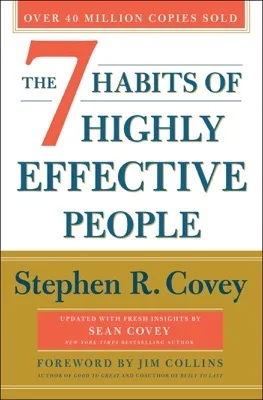
- The 7 Habits of Highly Effective PeopleStephen R. CoveyWhat got bumped today by something that only felt urgent?
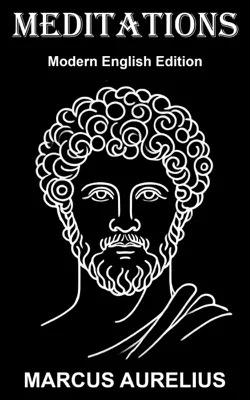
- MeditationsMarcus AureliusWhat happened today before you decided it was bad?
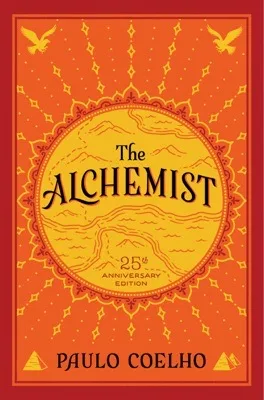
- The AlchemistPaulo CoelhoWhat did your someday plan lose to today?
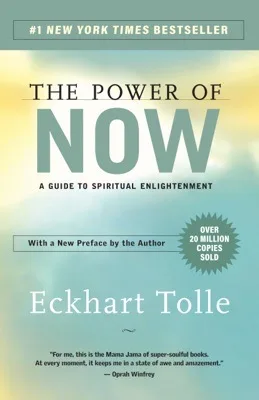
- The Power of NowEckhart TolleWhich small thing today got a reaction older than itself?
Get Actium
Start Man’s Search for Meaning in Actium
Pick Man’s Search for Meaning in the app and answer up to five short questions about it and your life. Actium builds your first chapter while you watch, starting with a short note, and every task you finish adds points to Body, Mind, Soul or Spirit.
Free to download · 15 days of everything, no card
Some features require a subscription · iPhone only