How to apply Mindset
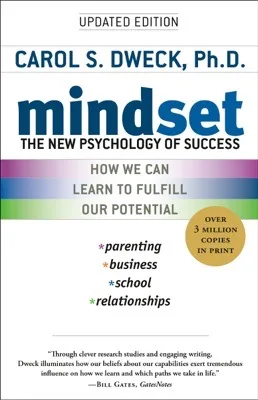
by Carol S. Dweck · 2006
MindSoulDweck traces how people meet challenge, effort and criticism back to one belief: whether talent is fixed or can grow. Her ideas follow it from the classroom into your week.
After your last setback this week, what did you do next?
From the book · 6 ideas
Dweck has a name for it.
Short summary
Mindset in brief
Dweck argues that people carry one of two beliefs about their abilities. In a fixed mindset, ability is a set quantity, so challenge, effort and criticism all threaten to expose a shortfall; in a growth mindset, those same moments are where ability gets built. She follows the two beliefs from the classroom into sports, business, love and parenting, drawing on her own studies and on stories of athletes, executives and teachers. She argues that the belief itself can change, and the updated edition adds a warning about a false growth mindset. By her account, the moments you spend guarding an image of being talented, instead of learning, are where the fixed mindset costs most.
Later large studies found smaller effects than the early work: 2018 meta-analyses found little benefit for most students, and a 2019 national trial raised lower achievers’ grades by about a tenth of a point.
Six ideas, in Dweck’s order
Each idea is named and stated, not worked through. Under each is a question about your own day that no page can answer.
Fixed and growth mindsets
Dweck describes two beliefs about ability. In the fixed mindset, intelligence and talent are set amounts, so every task measures how much you have; in the growth mindset, they are a starting point that practice and learning can build on.
Only your day can answer
On how much evidence did you last decide you’re just not good at something?
What effort means
In a fixed mindset, Dweck argues, needing effort looks like proof that you lack ability. So people stick to tasks where they are sure to shine, and every setback feels like a threat to who they are.
Only your day can answer
Which harder task did you put off this week for one you knew you’d ace?
Leaders who can’t be wrong
Dweck argues that leaders in a fixed mindset treat the company as a stage for their own status. She describes Lee Iacocca meeting Chrysler’s later troubles with blame and excuses, and says a controlling boss puts everyone into a fixed mindset, worried about being judged.
Only your day can answer
Who around you has stopped telling you when you’re wrong, and since when?
Mindsets in love
Dweck carries the two mindsets into close relationships. If character is fixed, a problem reads like a verdict, so people let it fester or give up at the first sign of trouble; those who think people can change raise concerns and work through them.
Only your day can answer
What small thing did someone close do this week that you let pass without a word?
What praise teaches
Dweck argues that what adults say about success and failure tells children which mindset to hold. In her studies, praising children for intelligence rather than effort drained their motivation, and 40 percent of those praised for being smart overstated their scores to peers.
Only your day can answer
What exact words did you use today when someone near you did something well?
Intelligence grows like a muscle
Dweck argues that a mindset can change. In a workshop she describes, low-achieving seventh graders who learned that intelligence, like a muscle, grows stronger with exercise improved their motivation and math grades, while a comparison group given the same study-skills sessions did not.
Only your day can answer
When something felt hard today, what did you take the strain to mean about you?
The part no summary can do
Dweck can describe how each mindset reacts to challenge, effort and criticism. Which one takes over when your own work goes wrong, and what it tells you then, you hear in your own voice, not hers.
In Actium, Mindset becomes one chapter a day, in the order Dweck wrote it, and each chapter becomes 2–3 small tasks written from your goals and your answers to up to five short questions. Two readers get different tasks, which is why yours aren’t on this page: they don’t exist yet.
Day 1 · when you start
Two quick tasks, starting with a short note
Day 2
Opens tomorrow morning.
Miss a day and your chapter simply waits.

Free to download · 15 days of everything, no card
Some features require a subscription · iPhone only
Read next
More books picked for “Boost intelligence”, and books that train the same stats.
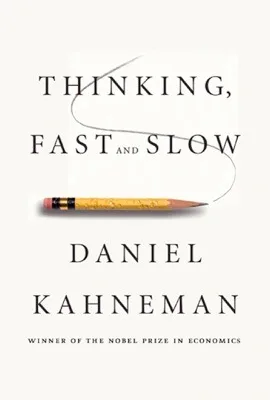
- Thinking, Fast and SlowDaniel KahnemanWhich snap judgment today deserved a second look?
- RangeDavid EpsteinWhich task do you drift toward when nobody’s asking?
- A Short History of Nearly EverythingBill BrysonWhat changed this week in a view you pass every day?
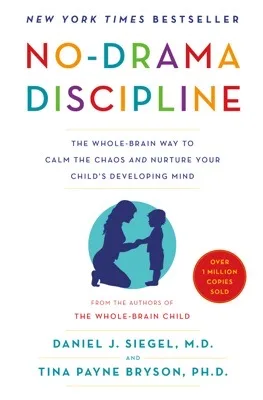
- No-Drama DisciplineDaniel J. Siegel and Tina Payne BrysonWhat did your last correction teach besides stopping?


Get Actium
Start Mindset in Actium
Pick Mindset in the app and answer up to five short questions about it and your life. Actium builds your first chapter while you watch, starting with a short note, and every task you finish adds points to Body, Mind, Soul or Spirit.
Free to download · 15 days of everything, no card
Some features require a subscription · iPhone only