How to apply The Body Keeps the Score
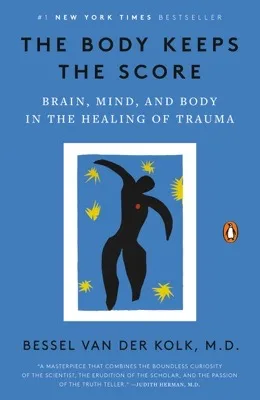
by Bessel van der Kolk · 2014
BodySoulIn van der Kolk’s account, the body keeps reacting to danger long after the mind has moved on. His ideas, and what your own body did today before you had words for it.
In the most stressful moment of your week so far, what came first?
From the book · 6 ideas
van der Kolk has a name for it.
Short summary
The Body Keeps the Score in brief
Van der Kolk argues that overwhelming experiences are held not only as memories but in the body, which can stay braced for danger long after the danger has passed. Drawing on more than three decades of work with veterans, abused children and other survivors, and on brain imaging and attachment research, he describes how trauma can change attention, memory, relationships and the sense of being at home in one’s body. The last part surveys paths to recovery, from talking and EMDR to yoga, neurofeedback and theater, and he insists that no single method suits everyone. His practical point is that understanding what happened is not enough: recovery also means feeling safe in your own body and among other people.
Critics, among them psychiatrist Michael Scheeringa, who examined 122 of its claims, argue that its case for trauma-caused brain damage and for body-based therapies working best outruns the evidence.
If the book stirs up something heavy, a trauma-informed therapist is the right companion. Actium is not therapy.
Six ideas, in van der Kolk’s order
Each idea is named and stated, not worked through. Under each is a question about your own day that no page can answer.
When words shut down
In van der Kolk’s brain-imaging study and others, Broca’s area, which helps put experience into words, shut down as people relived a trauma. That, he argues, is why deeply upset people lose their words or say things they regret.
Only your day can answer
When something rattled you today, how long before you could say out loud what it was?
The smoke detector
Van der Kolk calls the amygdala the brain’s smoke detector. The more upset we are, he says, the less the thinking brain can overrule its alarm, and trauma can leave it so sensitive that harmless sights and sounds register as danger.
Only your day can answer
What made you tense up today a split second before you knew why?
Attunement
Drawing on attachment research, van der Kolk argues that children first learn to feel safe by being in tune with a caregiver who notices and answers their signals. That early attunement, or its absence, shapes how safe people feel with others later.
Only your day can answer
Who picked up on your mood this week before you said a word about it?
Memory held in fragments
Traumatic memory, as van der Kolk describes it, is not stored like an ordinary story. It can be held as fragments of image and body sensation, and a small reminder can bring them back with the force of the original moment.
Only your day can answer
Which sound or smell carried you straight back to another time and place this week?
Safe enough to be still
Van der Kolk’s team found that many traumatized people had poor heart rate variability, a sign of how well the body handles arousal, and went on to study yoga. Even resting in the final pose, he noticed, many found it hard to feel safe.
Only your day can answer
How long did your stillest moment yesterday last, and what ended it?
Communal rhythms
Van der Kolk argues that we are fundamentally social animals, and that communal rhythm, in dancing, singing or acting together, can help a body feel safe again. Theater sits beside yoga and neurofeedback among the treatments his team has studied.
Only your day can answer
Whose pace did you fall into today, walking, talking or working beside them?
The part no summary can do
Van der Kolk offers his account of why the body reacts before the mind catches up. What yours reacts to, and what helps it settle again, lives in your own day, not in his studies.
In Actium, The Body Keeps the Score becomes one chapter a day, in the order van der Kolk wrote it, and each chapter becomes 2–3 small tasks written from your goals and your answers to up to five short questions. Two readers get different tasks, which is why yours aren’t on this page: they don’t exist yet.
Day 1 · when you start
Two quick tasks, starting with a short note
Day 2
Opens tomorrow morning.
Miss a day and your chapter simply waits.

Free to download · 15 days of everything, no card
Some features require a subscription · iPhone only
Read next
More books picked for “Improve physical health and energy”, and books that train the same stats.
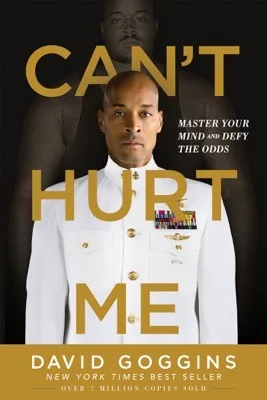
- Can’t Hurt MeDavid GogginsWhere did you stop today with more still left in you?
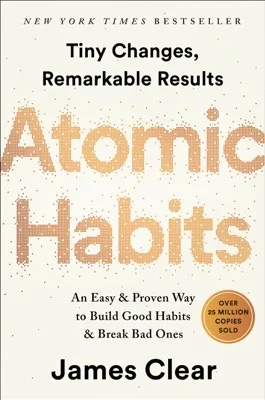
- Atomic HabitsJames ClearWhich object in this room decides what you do next?
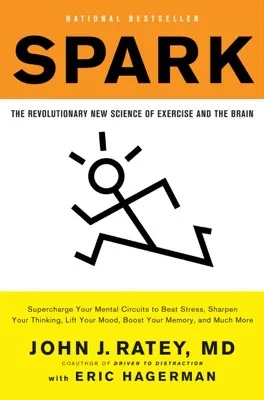
- SparkJohn J. Ratey and Eric HagermanHow long before your sharpest thinking did you last move?
- Why We SleepMatthew WalkerAfter your shortest night, what small thing set you off?
Get Actium
Start The Body Keeps the Score in Actium
Pick The Body Keeps the Score in the app and answer up to five short questions about it and your life. Actium builds your first chapter while you watch, starting with a short note, and every task you finish adds points to Body, Mind, Soul or Spirit.
Free to download · 15 days of everything, no card
Some features require a subscription · iPhone only