How to apply Atomic Habits
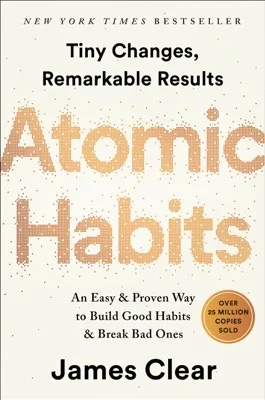
by James Clear · 2018
MindSpiritFor Clear, big change is small habits, compounding. His ideas run from 1 percent gains to never missing twice, and stop at the door of the room you’re in.
The last time this week a habit you wanted didn’t happen, what got in the way?
From the book · 6 ideas
Clear has a name for it.
Short summary
Atomic Habits in brief
Clear argues that results come less from goals or bursts of motivation than from systems of small habits, which compound quietly over time. He breaks every habit into four steps, a cue, a craving, a response and a reward, and gives each step a law: make a good habit obvious, attractive, easy and satisfying, and turn each law around to break a bad one. Beneath the laws sits identity, since every repetition is evidence of the kind of person you are becoming. In practice, the book aims at habits so small and so visible that doing them takes less effort than skipping them.
The 1 percent figure is arithmetic, 1.01 compounded over 365 days, not a measured result. The book mixes published studies with stories, and Clear says most of the concepts he writes about are not his own.
Six ideas, in Clear’s order
Each idea is named and stated, not worked through. Under each is a question about your own day that no page can answer.
One percent better
Clear opens with British Cycling, whose performance director Dave Brailsford hunted for 1 percent gains everywhere, from bike seats to how riders washed their hands. Clear’s point is that a 1 percent choice barely registers on the day, yet repeated daily it compounds like interest.
Only your day can answer
Which small choice today leaned 1 percent the wrong way, and how often do you make it?
Identity-based habits
Clear sees three layers of change: the results you get, the routines you follow and the beliefs you hold about yourself. Most people start with results; he argues that habits last when they start from the kind of person you mean to become.
Only your day can answer
What did you do today that would count as evidence for the person you want to be?
Environment design
Under the first law, make it obvious, Clear tells how Anne Thorndike’s team put bottled water beside the soda in a Boston hospital cafeteria without a word to anyone, and soda sales fell 11.4 percent in three months. Environment, he argues, often beats motivation.
Only your day can answer
Which object in the room you’re in right now is quietly deciding what you do next?
Temptation bundling
The second law, make it attractive, brings temptation bundling: tying something you want to do to something you need to do. Clear’s example is a Dublin engineering student who rigged his stationary bike so Netflix played only while he kept pedaling fast enough.
Only your day can answer
What did you enjoy today without first doing the thing you keep putting off?
The Two-Minute Rule
For the third law, make it easy, Clear’s Two-Minute Rule shrinks a new habit until starting it takes under two minutes, so reading before bed becomes reading one page. Showing up, he argues, has to become routine before it is worth refining.
Only your day can answer
What exactly stops you in the first two minutes of the habit you keep skipping?
Never miss twice
For the fourth law, make it satisfying, Clear turns to the habit tracker, a row of marks that rewards you on the spot. Every streak breaks eventually, he argues, and what matters is the next day: never miss twice.
Only your day can answer
What happened the day after the last time you skipped a habit you care about?
The part no summary can do
Clear can explain why habits stick and which law to reach for. The cue that sets off yours, and the spot where your first two minutes stall, can only be found in your own week.
In Actium, Atomic Habits becomes one chapter a day, in the order Clear wrote it, and each chapter becomes 2–3 small tasks written from your goals and your answers to up to five short questions. Two readers get different tasks, which is why yours aren’t on this page: they don’t exist yet.
Day 1 · when you start
Two quick tasks, starting with a short note
Day 2
Opens tomorrow morning.
Miss a day and your chapter simply waits.

Free to download · 15 days of everything, no card
Some features require a subscription · iPhone only
Read next
More books picked for “Increase productivity” and “Improve physical health and energy”.
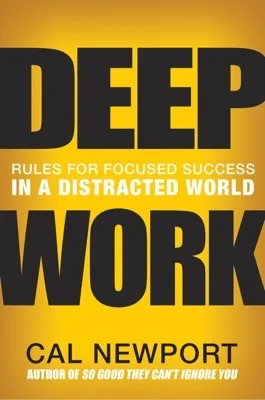
- Deep WorkCal NewportWhen was your last full hour without a glance at messages?
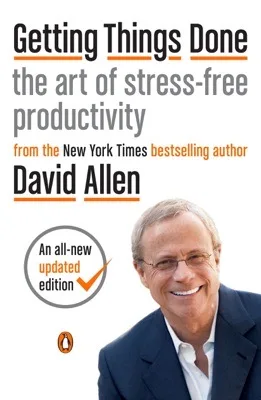
- Getting Things DoneDavid AllenWhat came to mind last night when you couldn’t act on it?
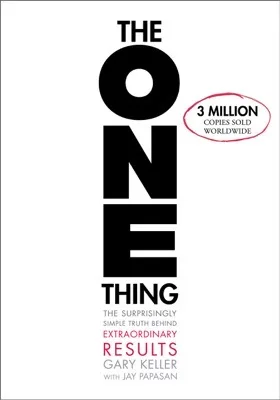
- The One ThingGary Keller and Jay PapasanWhat decided which task came first this morning?
- Can’t Hurt MeDavid GogginsWhere did you stop today with more still left in you?

Get Actium
Start Atomic Habits in Actium
Pick Atomic Habits in the app and answer up to five short questions about it and your life. Actium builds your first chapter while you watch, starting with a short note, and every task you finish adds points to Body, Mind, Soul or Spirit.
Free to download · 15 days of everything, no card
Some features require a subscription · iPhone only