How to apply Daring Greatly
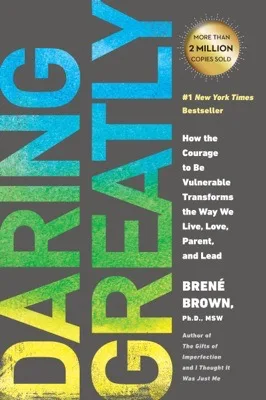
by Brené Brown · 2012
SoulSpiritBrown’s case is that vulnerability is where courage starts, not a weakness to hide. Her ideas follow in her order, along with the armor you may be reaching for without noticing.
What held you back the last time you kept something to yourself?
From the book · 6 ideas
Brown has a name for it.
Short summary
Daring Greatly in brief
Brown argues that vulnerability, the uncertainty, risk and emotional exposure that come with caring about anything, is not a weakness but the ground that courage, connection and creativity grow from. Drawing on twelve years of research, she describes a culture of scarcity in which people feel they are never enough, and shows how shame keeps them hiding, perfecting and numbing rather than taking part. The book’s later sections carry the argument into work, school and family life, where she says shame used as a tool drives people to disengage. Her conclusion is blunt: waiting to be perfect or certain before stepping in means never stepping in at all.
Brown is a qualitative researcher: her theory comes from interviews and stories analyzed with a method called grounded theory, not from controlled experiments that test cause and effect.
Six ideas, in Brown’s order
Each idea is named and stated, not worked through. Under each is a question about your own day that no page can answer.
The never-enough culture
Brown calls scarcity the greatest cultural influence of our time: the sense of never being good, safe, thin or extraordinary enough. She traces it to shame, comparison and disengagement, and argues that its opposite is not abundance but a sense of enough.
Only your day can answer
What was the first never-enough thought in your head this morning, and what was it measuring?
The vulnerability myths
Brown defines vulnerability as uncertainty, risk and emotional exposure, and calls the belief that it is weakness the most dangerous myth about it. Her point is that no one gets love, joy or creative work without that exposure.
Only your day can answer
Whose admission of struggling did you quietly file under weakness this week?
Shame resilience
Brown separates shame, a focus on who you are, from guilt, a focus on what you did, and finds that the two lead people to act very differently. Shame, she argues, grows in secrecy, silence and judgment, and empathy is its antidote.
Only your day can answer
After your most recent mistake, what words went through your head, and were they about the act or about you?
The vulnerability armory
Brown calls the strategies people use to protect themselves from feeling vulnerable the vulnerability armory. Perfecting is one; numbing is another, and she argues it cannot be selective: dulling fear or grief dulls joy and gratitude along with them.
Only your day can answer
What did you reach for the last time something left you feeling exposed, and what else went quiet?
Disruptive engagement
Brown argues that when shame is used to manage people at work or at school, engagement dies, and where failure is not an option, learning, creativity and innovation go with it. She calls the remedy rehumanizing education and work.
Only your day can answer
When someone at work last admitted a mistake out loud, what happened in the next five minutes?
Wholehearted parenting
Brown frames parenting as daring to be the adults we want our children to be, since children learn by watching adults work out what went wrong. She warns against following them into the arena, because disappointment, conflict and failure teach them to dare.
Only your day can answer
What did the youngest person in your life watch you do the last time you got something wrong?
The part no summary can do
Brown can map how scarcity, shame and armor work in the stories of thousands of people. Where you braced, hid or held back this week, and what it cost you, is in none of them.
In Actium, Daring Greatly becomes one chapter a day, in the order Brown wrote it, and each chapter becomes 2–3 small tasks written from your goals and your answers to up to five short questions. Two readers get different tasks, which is why yours aren’t on this page: they don’t exist yet.
Day 1 · when you start
Two quick tasks, starting with a short note
Day 2
Opens tomorrow morning.
Miss a day and your chapter simply waits.

Free to download · 15 days of everything, no card
Some features require a subscription · iPhone only
Read next
More books picked for “Become confident”, and books that train the same stats.
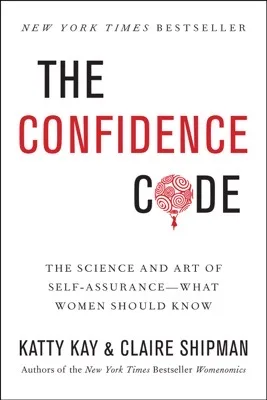
- The Confidence CodeKatty Kay and Claire ShipmanWhat did you hold off on this week until you felt ready?
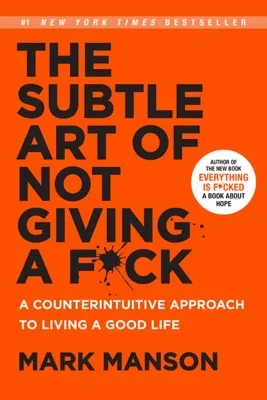
- The Subtle Art of Not Giving a F*ckMark MansonWhat took your attention yesterday that deserved none?
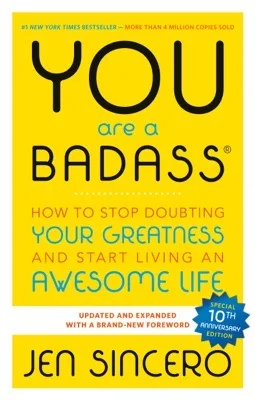
- You Are a BadassJen SinceroWhich old belief about yourself made a call today?
- The Power of NowEckhart TolleWhich small thing today got a reaction older than itself?

Get Actium
Start Daring Greatly in Actium
Pick Daring Greatly in the app and answer up to five short questions about it and your life. Actium builds your first chapter while you watch, starting with a short note, and every task you finish adds points to Body, Mind, Soul or Spirit.
Free to download · 15 days of everything, no card
Some features require a subscription · iPhone only